
In Brief
- Valve has increased the price of its Steam Deck handheld console, citing global memory and storage shortages
- The cost of the 1TB OLED model has risen by almost 50% to US $200
- The hike comes some months after Valve flagged shortages of the Steam Deck itself, and postponed pricing announcements for its new Steam Hardware lineup
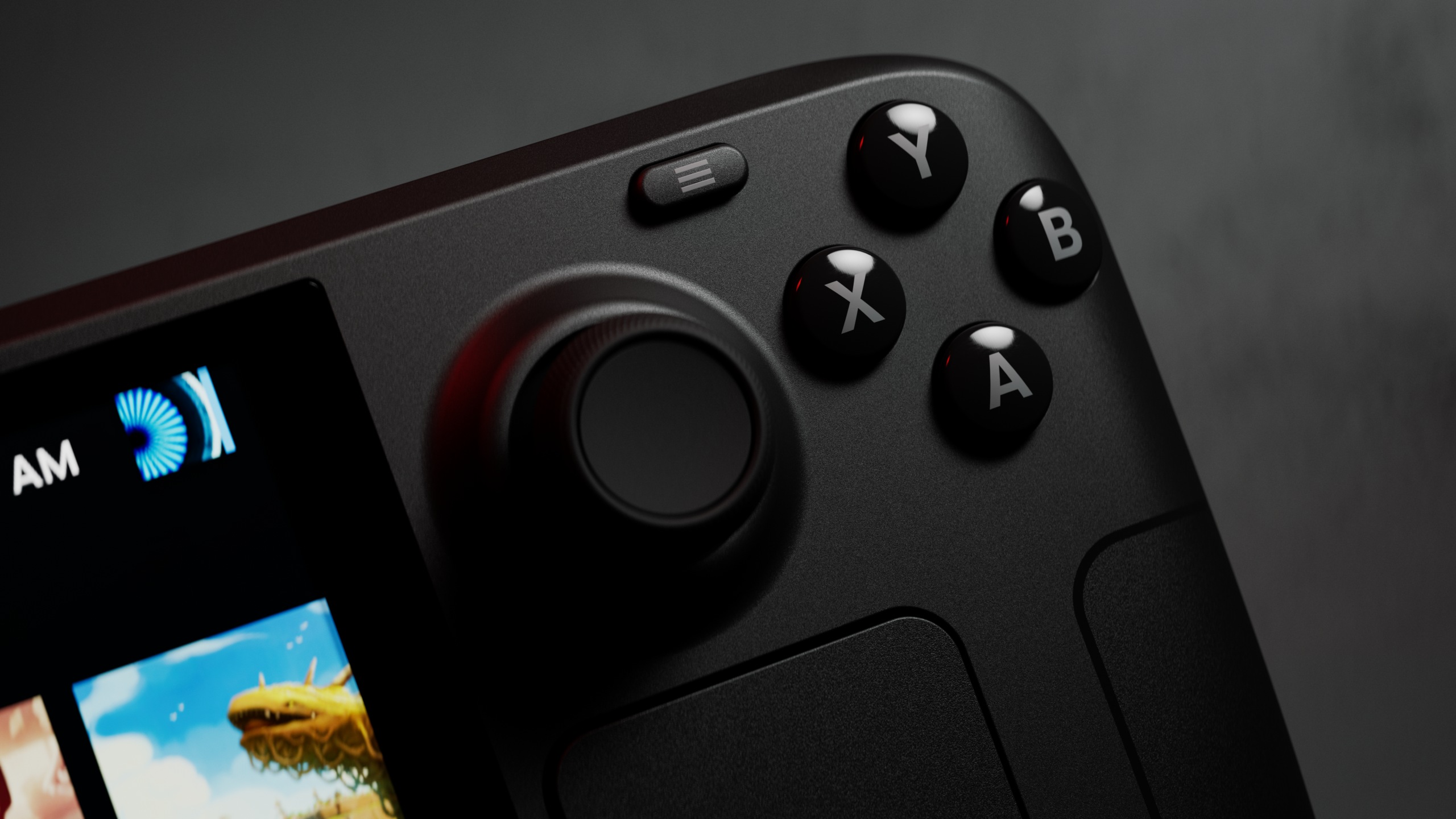
Valve has increased the price of its Steam Deck handheld console amid the global memory and storage shortages, driven by the rapid expansion of AI datacentres.
The company outlines that the new prices are due to the rising costs of both memory and storage, and “reflect the current state of component costs and other global logistical challenges across the industry as a whole.”
Valve makes it clear that “Steam Deck itself hasn’t changed,” however.
The updated prices are as follows:
Steam Deck OLED 512GB
- US $790 (previously US $550)
- CA $1129 (previously CA $690)
- €780 (previously €570)
- £649 (previously £480)
- AU $1200 (previously AU $900)
Steam Deck OLED 1TB
- US $950 (previously US $650)
- CAD $1350 (previously CA $820)
- €920 (previously €680)
- £780 (previously £570)
- AU $1430 (previously AU $1049)
At the time of writing, remaining stock of the discontinued Steam Deck LCD 256GB model is still available to purchase in Australia only, at its original price of AU $650.
In February 2026, Steam acknowledged that widespread shortages of the Steam Deck were also specifically “due to memory and storage shortages.”
That same month, Valve also postponed the announcement of pricing and availability for its new Steam Hardware lineup, which includes a new Steam Machine, Steam Controller and Steam Frame VR headset, due to the same issue.
“When we announced these products in November, we planned on being able to share specific pricing and launch dates by now,” the company wrote. “But the memory and storage shortages you’ve likely heard about across the industry have rapidly increased since then.”
“The limited availability and growing prices of these critical components mean we must revisit our exact shipping schedule and pricing (especially around Steam Machine and Steam Frame).”
Component shortages have also been attributed to price increases for PlayStation 5, Nintendo Switch 2, and Xbox Series consoles, though Sony, Microsoft, and Nintendo were more vague with their reasoning.
Sony cited “continued pressures in the global economic landscape,” in March 2026, while Nintendo said in May 2026 that the increases were “in response to various changes in market conditions, which are expected to extend over the medium to long term.” Microsoft pointed to “changes in the macroeconomic environment” when announcing a second hike for Xbox consoles in September 2025.
For more information on the global memory crisis, you may benefit from reading The Insatiable Appetite for RAM is Threatening to Consume the Gaming Market